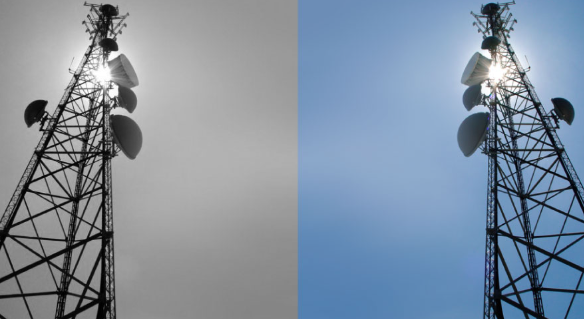
5G technology serves as a critical enabler for the evolution of smart cities. Its ability to facilitate rapid data exchange enhances urban connectivity across various sectors. This connectivity is pivotal for improving public safety, optimizing transportation systems, and fostering sustainable development. As cities grapple with increasing populations and resource demands, the integration of 5G presents both challenges and opportunities. The implications of this technology extend far beyond mere connectivity, raising important questions about the future of urban living.
The Role of 5G in Urban Connectivity
As urban populations continue to swell, the integration of 5G technology emerges as a pivotal factor in enhancing urban connectivity.
This advanced network infrastructure facilitates seamless communication among various urban systems, enabling real-time data exchange and efficient resource management.
Enhancing Public Safety With 5G Technology
Numerous studies indicate that the implementation of 5G technology can significantly enhance public safety in urban environments.
By enabling faster communication and data transfer, 5G improves emergency response times and integrates advanced surveillance systems.
These systems can monitor public spaces more effectively, allowing authorities to respond swiftly to incidents, ultimately fostering a safer environment for citizens while preserving their freedom and privacy.
Transforming Transportation Systems
The integration of 5G technology not only enhances public safety but also plays a pivotal role in transforming transportation systems within smart cities.
By enabling real-time data exchange, 5G supports the seamless operation of autonomous vehicles and enhances traffic management.
This connectivity fosters efficient routing, reduces congestion, and empowers citizens with greater mobility options, ultimately promoting a more liberated and dynamic urban experience.
See also: winnerturf.co.uk
Innovations in Sustainable Urban Development
While urban areas face increasing challenges due to population growth and climate change, innovations in sustainable urban development are emerging as vital solutions.
Green infrastructure, such as urban forests and green roofs, enhances biodiversity while improving air quality.
Additionally, advancements in energy efficiency, including smart grid technologies and renewable energy sources, empower cities to reduce their carbon footprint, fostering a more resilient urban environment.
Conclusion
In conclusion, the integration of 5G technology into smart cities is not merely a technical advancement; it is a lifeline for urban populations facing increasing challenges. While some may argue that the costs of implementing such infrastructure are daunting, the potential for enhanced public safety, efficient transportation, and sustainable living far outweighs these concerns. By embracing 5G, cities can foster a more connected and resilient environment, ultimately enriching the lives of their residents and paving the way for a brighter future.