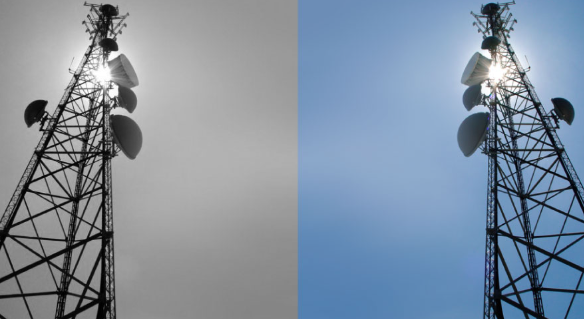
The transition from 4G to 5G marks a significant evolution in mobile communication technology. 5G offers superior speed and data transfer rates, enabling quicker downloads and uploads. Its remarkably low latency enhances responsiveness in real-time applications. Furthermore, 5G can support a higher density of connected devices, which is crucial for the proliferation of IoT and smart city initiatives. Understanding these differences is essential to grasping the full impact of this technological shift.
Speed and Data Transfer Rates
The advent of 5G technology marks a significant leap in mobile communication, particularly in terms of speed and data transfer rates.
It offers enhanced data consumption capabilities, allowing users to download and upload vast amounts of information effortlessly.
Furthermore, 5G networks exhibit improved efficiency, optimizing bandwidth allocation and reducing congestion, thereby facilitating a seamless user experience and enabling innovative applications reliant on high-speed connectivity.
Latency and Responsiveness
While 4G networks have significantly reduced latency compared to their predecessors, 5G technology takes responsiveness to an unprecedented level.
With latencies as low as one millisecond, 5G enhances network efficiency, providing a seamless gaming experience.
This reduction in delay allows for real-time interactions and fosters a more immersive environment, ultimately granting users the freedom to engage without the hindrance of lag or interruptions.
Device Connectivity and Capacity
Device connectivity and capacity represent a significant evolution from 4G to 5G technologies.
5G enables a higher network density, allowing more devices to connect simultaneously without compromising performance. This increase enhances the user experience by facilitating seamless interactions across a multitude of applications.
As a result, users benefit from improved reliability and speed, fostering an environment ripe for innovation and connectivity freedom.
See also: 5G and Smart Cities
Impact on Emerging Technologies
A significant shift in communication technology, 5G holds the potential to transform various emerging technologies.
With enhanced bandwidth and reduced latency, 5G facilitates IoT advancements, enabling seamless connectivity among devices.
This connectivity is crucial for the development of smart cities, where real-time data exchange optimizes infrastructure and enhances urban living.
Ultimately, 5G empowers innovations that foster efficiency and sustainability in modern society.
Conclusion
In summary, the transition from 4G to 5G represents a significant leap in mobile communication technology. Notably, 5G can achieve data transfer rates up to 100 times faster than 4G, facilitating unprecedented opportunities for innovation. With its remarkably low latency and enhanced capacity for device connectivity, 5G is poised to revolutionize industries and enable the seamless integration of smart technologies. This transformative potential underscores the importance of embracing 5G to fully realize the benefits of modern connectivity.