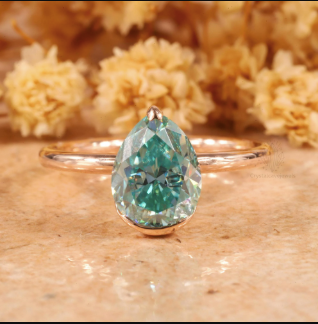
In recent years, the jewellery industry has experienced a noticeable shift in consumer priorities. Beauty and rarity still matter, but they are no longer the only deciding factors. Today’s buyers are increasingly asking deeper questions: Where did this gemstone come from? How was it sourced? What impact did its production have on people and the planet? As a result, ethical gemstones have become a major priority for modern consumers.
From sustainability concerns to social responsibility, several factors are driving this change. Among the most compelling examples of this movement is lab grown alexandrite, a gemstone that combines stunning visual appeal with responsible production practices.
Growing Awareness of Environmental Impact
Traditional gemstone mining can have significant environmental consequences. Large-scale mining operations may contribute to deforestation, soil erosion, water contamination, and habitat destruction. As climate change and environmental preservation become urgent global concerns, buyers are rethinking how their purchases affect the planet.
Ethical gemstones offer a solution by reducing or eliminating the need for destructive mining practices. Choosing lab grown alexandrite allows consumers to enjoy the same chemical and optical properties as natural alexandrite without the environmental disruption associated with extraction.
As awareness spreads through documentaries, social media, and sustainability campaigns, more buyers are actively seeking alternatives like lab grown alexandrite that align with eco-conscious values.
Demand for Transparency and Traceability
Transparency has become a powerful influence in purchasing decisions. Consumers no longer accept vague sourcing claims; they want clear, verifiable information about how products are made.
Ethical gemstones, especially lab-created options, provide traceability that mined stones often cannot guarantee. Because lab grown alexandrite is produced in controlled laboratory environments, its origin is fully documented. Buyers can feel confident knowing exactly where and how their gemstone was created.
This level of openness builds trust between jewellers and customers. When people invest in fine jewellery, they want assurance that their purchase reflects integrity as well as beauty.
See also: Advantages and Disadvantages of Technology
Concerns About Labor Practices
Another driving factor behind the rise of ethical gemstones is concern about labor conditions in mining regions. Historically, certain mining operations have been linked to unsafe working environments, low wages, and even conflict financing.
Ethical sourcing seeks to address these issues by prioritizing fair labor standards and responsible supply chains. Because lab grown alexandrite does not require traditional mining, it avoids many of the social challenges associated with gemstone extraction.
For buyers who value human rights and social responsibility, choosing lab grown alexandrite represents a conscious decision to support more equitable production practices.
A Shift in the Meaning of Luxury
Luxury is being redefined. In the past, exclusivity and rarity were often enough to justify a purchase. Today, luxury is increasingly associated with mindfulness and purpose.
Ethical gemstones align with this new definition. Selecting lab grown alexandrite demonstrates that elegance and responsibility can coexist. It reflects a buyer’s commitment to thoughtful consumption rather than impulse-driven status symbols.
This shift is particularly evident among younger generations, who prioritize sustainability and ethical values in nearly every aspect of their lives. Jewellery is no exception.
Comparable Beauty and Quality
One reason ethical gemstones are gaining traction is that they do not compromise on appearance or durability. Lab-created stones share the same chemical composition and physical characteristics as mined gems.
For example, lab grown alexandrite exhibits the same mesmerizing color-changing effect as its natural counterpart. In daylight, it appears green or bluish-green, while under warm lighting it transforms into red or purplish tones. This dramatic shift remains one of the most captivating phenomena in fine jewellery.
Because lab grown alexandrite is created in controlled settings, it often features excellent clarity and consistent color quality. Buyers can enjoy exceptional beauty while staying true to their ethical standards.
Greater Accessibility and Value
Ethical gemstones are also appealing because they offer better accessibility. Natural alexandrite is extremely rare and can be prohibitively expensive. In contrast, lab grown alexandrite provides the same optical magic at a more attainable price point.
This affordability allows consumers to invest in larger stones or custom designs without exceeding their budgets. Ethical choices no longer require financial sacrifice, making them even more attractive to modern buyers.
By choosing lab grown alexandrite, customers can balance aesthetics, responsibility, and value in one meaningful purchase.
Influence of Social Media and Education
Information spreads quickly in the digital age. Social media platforms and online resources have educated consumers about the environmental and ethical implications of gemstone mining.
As buyers become more informed, they are more likely to question traditional sourcing methods and explore alternatives like lab grown alexandrite. Visual content showcasing its color transformation has also increased interest, proving that ethical options can be just as glamorous and desirable.
Education empowers consumers to align their purchasing decisions with their personal beliefs.
Long-Term Industry Transformation
The growing demand for ethical gemstones is influencing the jewellery industry as a whole. Brands are investing in sustainable practices, offering lab-created collections, and improving transparency across supply chains.
The popularity of lab grown alexandrite signals a broader movement toward responsible innovation. As technology advances, ethical gemstones are expected to become even more refined and widely available.
This transformation suggests that ethical sourcing is not a passing trend but a lasting shift in consumer expectations.
Conclusion
Ethical gemstones are becoming a priority because buyers want more than beauty—they want accountability, sustainability, and transparency. Environmental concerns, labor awareness, and evolving definitions of luxury are reshaping how people choose fine jewellery.
Lab grown alexandrite perfectly embodies this shift. It offers breathtaking color-changing beauty, exceptional quality, and responsible origins. As consumers continue to prioritize ethical values, gemstones like lab grown alexandrite are leading the way toward a more conscious and sustainable future for the jewellery industry.