Looking for a reliable “car wrap near me“? You can find local shops that match your budget, vehicle size, and design needs by checking installer certifications, material brands, and sample work. Focus on providers that use premium vinyl, show clear before-and-after examples, and offer warranties — those details tell you whether the job will look great and last.
You’ll learn how to compare wrap types (matte, gloss, metallic, color-shift, partial vs. full) and how shop experience, reviews, and quoted timelines affect final cost and quality. Use those points to narrow choices quickly and get the right fit for your vehicle and goals.
Types of Vehicle Wraps
Different car wrap styles affect cost, coverage, and visual impact. Choose based on budget, how much of the vehicle you want covered, and whether you need a brand-consistent finish or a simple color update.
Full Wraps
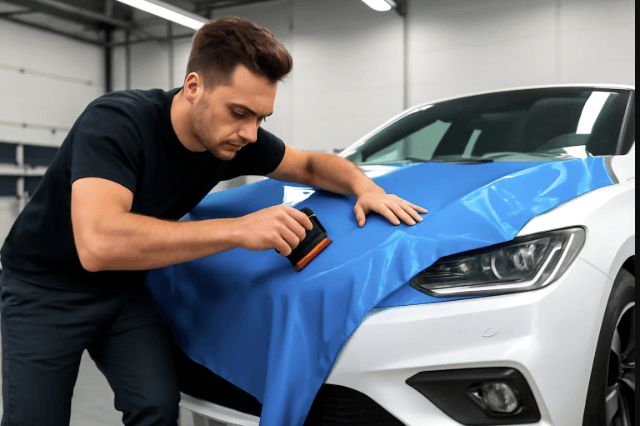
A full wrap covers every painted surface from roof to rocker panels. You get complete transformation: any color, matte or gloss finish, metallic or printed graphics that turn the vehicle into one cohesive visual asset.
Full wraps require high-quality cast vinyl and professional installation to manage seams, curves, and heat-sensitive areas like bumpers and mirrors. Expect higher material and labor costs and longer shop time, typically several days for passenger cars and more for larger vehicles.
Full wraps protect original paint from minor chips and UV fading. If you plan to resell, a well-installed wrap can preserve paint and may be removable without damage when handled by an experienced shop.
Partial Wraps
Partial wraps cover selected panels—hood, doors, rear quarter, or just a roof—so you get strong visual impact for lower cost. Use partials to highlight branding, add accent color, or place large logos while leaving factory paint exposed.
Installation time is shorter, often completed in a day or two, and material costs fall proportionally. Partial wraps work well on company fleets where budget and consistency across many vehicles matter.
Partial wraps leave exposed paint that requires care to avoid mismatched aging. Plan your design so exposed and wrapped areas align visually and consider UV protection for the unwrapped sections to maintain appearance over time.
Color Change Wraps
Color change wraps replace the vehicle’s factory color without repainting. You can choose solid colors, metallics, satin, or specialty films like color-shift. This option is ideal when you want a new look but want to preserve original paint for future resale.
Installation focuses on full-panel coverage with attention to edges, trim, and body lines to avoid peeling. Quality cast vinyl and certified installers minimize bubbling and stretching, and most shops offer warranties on work and materials.
Color change wraps are reversible and generally less expensive than a professional repaint. Expect typical lifespans of 5–10 years depending on film grade and care, and always confirm warranty details and removal policies with your installer.
See also: Advantages and Disadvantages of Technology
Evaluating Local Wrap Providers
Look for providers that show real examples, list specific materials and tools, and offer clear warranty and aftercare terms. Prioritize shops with documented experience on vehicles similar to yours and transparent handling of post-install care.
Experience and Portfolio
Ask to see recent, high-resolution photos of completed jobs on vehicles that match your model and finish preference. Focus on seam placement, edge finishing around handles and mirrors, and how installers handled curves and embossed panels. Request before-and-after images and, if possible, contact information for past customers so you can confirm fitment and longevity.
Check whether the shop posts video walkarounds or time-lapse installs; these reveal installation technique and prep work. Verify certifications (for example, 3M or Avery training) and how long technicians have been wrapping full-time. A mix of commercial fleets and individual projects indicates versatility.
Materials and Technology
Confirm the exact vinyl brand and series the shop uses (e.g., 3M 2080, Avery Dennison Supreme). Different lines vary in conformability, finish options, and expected outdoor life; ask for manufacturer lifespan data for your climate. Insist on paint-protection film (PPF) or clear coat over high-wear areas if you plan long-term use, and ask whether adhesives are cast or calendared—cast vinyl performs better on complex curves.
Ask what tools they use for surface prep (isopropyl cleaning, clay bar) and edge sealing (heat, seam rollers, solvent-based edge sealant). If they use design software for color matching or vehicle-specific templates, request a mockup of your vehicle to evaluate fit and visual accuracy.
Warranty and Aftercare
Request a written warranty that specifies duration, coverage (lifting, bubbling, color fade), and conditions that void the warranty (power washing distance, automatic car washes, or harsh chemicals). Ask whether labor and materials are both covered and whether they provide localized repair vs full-panel replacement policies.
Clarify recommended maintenance: washing frequency, safe detergents, and allowed polishing or waxing. Confirm who handles post-install issues—whether you return to the original shop or an authorized partner—and get expected response times for repairs. Keep all receipts and warranty paperwork in case you need future claims.