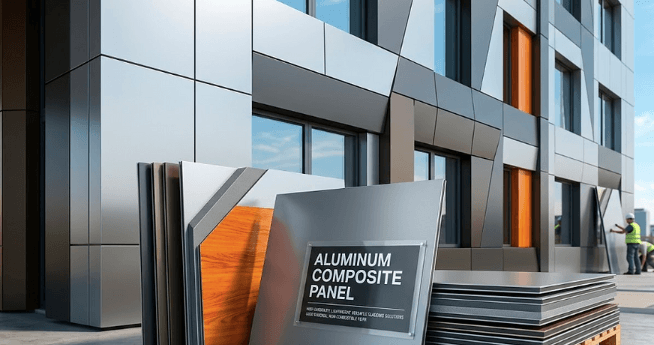
You need reliable composite panel suppliers to keep projects on schedule, control costs, and meet performance or aesthetic requirements. Pick suppliers who offer clear material specs, consistent quality, and responsive technical support so you can source the right panels—ACM, FR-core, or specialty composites—for your application.
This article Composite Panel Suppliers guides your selection process, compares supplier capabilities, and highlights where the market is headed for façade, interior, and industrial uses. Expect practical criteria and market signals you can use immediately to narrow options and vet partners.
Choosing the Right Composite Panel Suppliers
You need suppliers who deliver consistent quality, meet safety standards, and offer the finishes and lead times your project requires. Focus on measurable criteria: production capacity, certifications, material options, customization, warranty, and past project performance.
Factors to Consider When Selecting Suppliers
Assess production capacity and lead times first. Verify monthly or annual output numbers and typical turnaround for orders similar to yours to avoid schedule risk.
Check material quality by requesting samples and lab test reports for core composition, face alloys, and coatings. Compare thickness tolerances, adhesion strength, and weathering test results.
Evaluate supplier responsiveness and transparency. Track record for change orders, on-time deliveries, and documented QC processes matters more than marketing claims.
Review warranty terms and post-sale support. Confirm what defects are covered, repair or replacement timelines, and whether installation guidance or certified installers are available.
Supplier Certifications and Standards
Require evidence of compliance with fire and building codes relevant to your region. Ask for test reports to EN 13501-1, ASTM E84, NFPA 285, or local equivalents.
Confirm ISO 9001 for quality management and ISO 14001 for environmental processes if sustainability and consistent manufacturing are priorities. These standards indicate documented controls rather than product performance alone.
Inspect coating and paint certifications. PVDF and FEVE coating data sheets, salt spray, and UV resistance test results show long-term finish performance.
Validate third-party factory audits and supply-chain traceability. Independent inspection reports and mill certificates for alloys reduce risk of counterfeit or substandard raw materials.
Evaluating Product Range and Customization Options
Map available product types to your project needs: aluminum composite panels (ACP), mineral-filled panels, fire-retardant cores, and specialty finishes like metallics or woodgrain. Choose suppliers offering the specific core composition and face alloy you require.
Ask about color matching, custom thicknesses, and fabrication services such as CNC routing, perforation, and bent panels. Confirm minimum order quantities and incremental pricing for custom runs.
Review finishing options and sample libraries. Request physical samples with the exact coating system and thickness to verify appearance, gloss, and edge color.
Clarify tooling and lead-time impacts of customization. Determine whether the supplier owns required tooling or subcontracts processes that could extend schedules or affect quality.
See also: Fast Business Loan Guide: Quick Approval Strategies for Small Companies
Industry Applications and Supplier Market Trends
Composite panels serve façade, interior, transport, and industrial needs with rising emphasis on fire performance, sustainability, and customization. Suppliers focus on certified fire-rated products, PVDF and advanced coatings, and modular prefabrication to meet architectural and regulatory demands.
Common Uses of Composite Panels
You’ll find composite panels most often in building façades, interior cladding, and signage where a balance of weight, durability, and appearance matters. Architects and contractors specify aluminum composite panels (ACP) for curtain walls and retail fronts because they deliver flatness, color consistency, and long service life.
Manufacturers also supply panels for transportation—rail, bus, and specialty vehicle bodies—where low weight improves fuel efficiency. In interiors, fire-rated cores and decorative finishes are common for corridors, ceilings, and partitions. Suppliers often offer cut-to-size, routed, and predrilled options to reduce on-site labor.
Emerging Technologies in Composite Panels
You should track advances in fire-resistant core materials, recycled-content cores, and nanocoatings that improve durability and stain resistance. Fire-rated mineral or non-combustible cores now coexist with traditional polyethylene cores to satisfy stricter codes in many jurisdictions.
Digital finishing and automated fabrication let suppliers provide complex shapes, printed graphics, and integrated mounting systems. You’ll also see growth in PVDF and fluoropolymer coatings for UV and color retention, plus antimicrobial and self-cleaning surface technologies for healthcare and high-traffic spaces.
Global Supply Chain Developments
Your sourcing choices face pressure from raw-material price swings, particularly aluminum coil and specialty resins, which affect lead times and margins. Suppliers increasingly secure upstream agreements with coil mills and resin producers to stabilize supply and pricing.
Prefabrication and modular partnerships shorten project schedules and reduce on-site waste, so you’ll notice more suppliers offering panelized wall systems delivered ready-to-install. Trade policy, shipping bottlenecks, and regional fire-code differences push many buyers to prefer local or regional suppliers for critical façade projects.