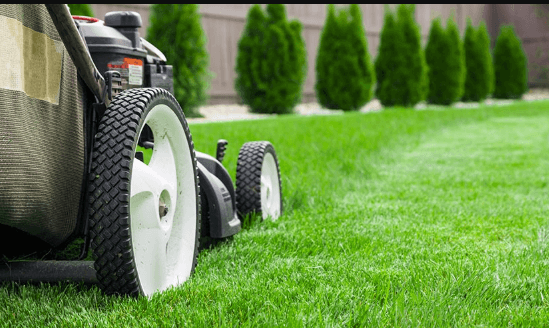
You want a healthy, attractive lawn care that holds up to Mississauga’s seasonal swings without wasting time or money. This guide Lawn Care in Mississauga shows what to do and when so you can keep your turf green, control weeds, and avoid common local problems.
Follow a simple schedule of mowing, watering, fertilizing, and seasonal cleanups tailored to Mississauga’s climate to get the best results with the least effort. You’ll also learn site-specific tips for soil, grass type, and pest pressures so you can make smart choices or pick a reliable local service.
Essential Lawn Maintenance for Healthy Turf
You’ll maintain dense, green grass by timing core tasks, mowing correctly, and supplying deep, infrequent water. Focus on seasonal feeding, targeted weed control, correct cutting height, and irrigation that reaches root depth.
Seasonal Lawn Tasks
Spring: remove leaves and debris, dethatch if thatch exceeds 1/2 inch, and apply a starter fertilizer high in phosphorus if you overseed. Perform a soil test every 2–3 years to adjust pH and nutrient ratios; lime or sulfur as needed to reach a 6.0–7.0 pH for cool-season turf common in Mississauga.
Early summer: apply a slow‑release nitrogen to support growth and target broadleaf weeds with spot treatments. Avoid heavy nitrogen in heat waves; it stresses the grass and increases disease risk.
Late summer to early fall: core aerate compacted lawns and overseed thin areas during the cooler, moist window (mid‑August to mid‑September). Apply a final fertilizer with higher potassium to build winter hardiness about 6–8 weeks before the first frost.
Winter prep: clear debris, set mower blade higher before the last cut, and delay fall fertilizer if soil stays warm. Schedule professional services (weed control, aeration) in advance during peak season.
Mowing Best Practices
Keep blades sharp; dull blades tear grass and invite disease. Mow frequently enough so you remove no more than one‑third of the blade height in a single cut.
Recommended heights: 2.5–3.5 inches for Kentucky bluegrass and perennial ryegrass mixes common around Mississauga. Taller grass shades soil, reduces weed germination, and strengthens roots.
Use a rotary mower on rough terrain and a reel mower for fine, even cuts on flat lawns. Alternate mowing patterns weekly to prevent soil compaction and grain. Mulch clippings when grass is healthy; they return nutrients and reduce bagging.
Clean clippings from sidewalks and driveways to prevent staining and thatch buildup. Adjust frequency during peak growth (spring and fall), and raise the deck during drought or heat to reduce stress.
See also: Creative DIY Home Decor on a Budget
Watering and Irrigation Guidelines
Water deeply and infrequently: aim for about 1 to 1.25 inches of water per week, delivered in one or two sessions to soak top 6–8 inches of soil. Use a rain gauge or a straight‑edged container to measure output from sprinkler zones.
Irrigate early morning between 4–9 AM to minimize evaporation and fungal disease. Avoid frequent short cycles that encourage shallow roots.
Check soil moisture by probing with a screwdriver or soil probe to confirm depth. Adjust schedules for sandy soils (more frequent, lower volumes) and clay soils (less frequent, longer duration).
Calibrate sprinkler heads to ensure even coverage and repair leaks or misaligned heads promptly. Consider smart controllers or soil moisture sensors to reduce waste and respond to actual conditions.
Local Considerations for Mississauga Homeowners
Expect seasonal swings, clay-influenced soils in many neighbourhoods, and municipal rules that affect mowing and planting. Prioritize soil testing, choose grasses suited to cold winters and humid summers, and watch for local pests and fungal diseases common to the GTA.
Soil and Climate Adaptations
Mississauga sits in a humid continental zone with cold winters and warm, humid summers. Your yard often drains slowly where clay is present, so supplement heavy clay with organic matter — compost or well-rotted leaf mulch — to improve structure and drainage.
Test soil pH every 2–3 years; many lawns in the area trend slightly acidic. If pH is below 6.2, apply lime per soil test recommendations. For compaction from foot traffic or winter freeze-thaw, aerate compacted lawns in spring or early fall to improve root oxygen and water infiltration.
Adjust watering to summer heat: deep, infrequent irrigation (about 1–1.5 inches per week) encourages deep roots. Raise mower height to 7–8 cm (about 3 inches) during summer stress to shade soil and reduce evaporation. For sloped yards, use contour seeding and erosion-control matting on repairs.
Common Grass Varieties
Cool-season blends dominate Mississauga lawns because they tolerate cold and recover in spring. Look for mixes containing Kentucky bluegrass, perennial ryegrass, and fine fescue.
- Kentucky bluegrass: Forms dense turf and spreads by rhizomes; needs moderate fertility and consistent moisture.
- Perennial ryegrass: Germinates quickly, good for overseeding bare spots, but is less drought tolerant.
- Fine fescue: Shade-tolerant and low-maintenance; useful under trees and in less-trafficked areas.
When choosing seed, match variety percentages to site conditions: higher fine fescue in shady yards, more Kentucky bluegrass on sunny, high-traffic lawns. Buy regionally blended seed labeled for Ontario/GTA to ensure cold-hardiness and disease resistance appropriate for Mississauga.
Pest and Disease Management
You’ll see common turf problems like grubs, chafer beetles, and fungal diseases (brown patch, red thread) under Mississauga’s humid summers. Scout monthly during the growing season and treat only when economic or aesthetic thresholds are met.
Use an integrated approach: encourage healthy turf through proper mowing, watering, and fertilization before applying pesticides. For grubs, treat in late summer when larvae are small; biological options like Bacillus thuringiensis galleriae (Bt g.) or beneficial nematodes can reduce chemical use. For fungal outbreaks, improve air circulation, reduce evening watering, and apply targeted fungicides if severe.
Record treatments, dates, and observations. If uncertain about identification, collect a small sample or photos and consult a local lawn service or extension resource to avoid unnecessary or ineffective sprays.