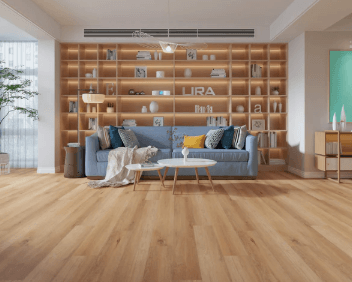
You want flooring that looks like real hardwood, stands up to daily life, and doesn’t demand constant care. Luxury vinyl plank (LVP) delivers realistic wood and stone visuals, strong water resistance, and long-lasting wear so you can get the look you want without sacrificing durability.
This guide Best Luxury Vinyl Plank Flooring breaks down the core features that affect performance—core type, wear layer, and water protection—along with design choices like textures, plank widths, and color tones so you can match style to use.
Use the comparisons and buying tips that follow to decide which LVP fits your budget, traffic patterns, and aesthetic goals, and walk into a confident flooring choice.
Core Features and Performance
Key attributes that determine LVP performance include the protective wear layer thickness, the plank core construction, and how the surface handles water, slips, and scratches. These factors directly affect lifespan, maintenance needs, and suitability for kitchens, bathrooms, or high-traffic rooms.
Wear Layer and Durability
The wear layer is the transparent coating that takes daily abuse; you should look for 20–30 mil (0.5–0.75 mm) on high-traffic residential floors and 30+ mil for commercial areas. Thicker wear layers resist abrasion and retain printed texture clarity longer, so they matter more than marketing claims about “commercial grade.”
Also check the surface finish type: urethane with aluminum oxide offers better scuff and stain resistance than basic urethane. Inspect warranty language for specific wear-through coverage measured in years or mils, since that indicates manufacturer confidence.
Core construction interacts with wear layer durability. Rigid-core SPC holds flat under heavy furniture and reduces freeze/thaw movement, while WPC provides more comfort underfoot. If you expect point loads (e.g., casters, heavy cabinets), choose a thicker core plus a robust wear layer to prevent indentation and finish failure.
Waterproof Capabilities
Most modern LVP uses a waterproof vinyl wear layer and a water-resistant or waterproof core; SPC (stone plastic composite) cores are fully waterproof, while some WPC cores can trap moisture at joints if not installed correctly. For bathrooms and basements, prioritize SPC or explicitly labeled “waterproof” WPC with sealed seams.
Installation details matter: floating click systems can be water-resistant but may allow water under the planks; glue-down or welded seams offer better long-term protection in wet areas. Check manufacturer guidance for perimeter sealing, recommended thresholds, and acceptable subfloor moisture levels before installation.
Also consider edge profile and transition pieces. Micro-beveled edges hide minor swelling but don’t stop water ingress. Use adhesive or sealant at wet-room transitions and follow the recommended expansion gap to prevent buckling from moisture-driven dimensional change.
See also: Creative DIY Home Decor on a Budget
Slip and Scratch Resistance
Slip resistance depends on surface texture and finish. Look for products with a slightly embossed texture or matte finishes; they provide measurable traction compared with high-gloss planks. If you have elderly residents or wet-entryways, seek LVP with documented COF (coefficient of friction) values or anti-slip treatment ratings.
Scratch resistance pairs with wear layer chemistry and added aluminum oxide. Pets and moving furniture are common scratch sources; choose a wear layer rated for high abrasion and use felt pads or protective casters to reduce point damage. Scuff marks from rubber soles or synthetic chair wheels respond better to harder finishes with abrasion-resistant additives.
Maintenance affects both slip and scratch performance. Regular sweeping removes grit that causes scratches. For slip control, avoid waxes that create build-up and use manufacturer-approved cleaners to preserve the finish’s original texture and traction.
Design Appeal and Selection
You’ll choose based on how closely the flooring mimics real wood, what color and finish fit your space, and which plank dimensions and patterns suit traffic and room proportions. Consider tactile texture, realistic visuals, and layout flexibility when comparing products.
Texture and Realism
Texture determines how natural the floor looks and how it feels underfoot. Look for embossed-in-register (EIR) surfaces that align the grain texture with the printed wood image; EIR creates matching ridges and makes knots, grooves, and wire-brushed effects feel authentic.
Higher-end cores and thicker wear layers also help textures hold up to heavy use without flattening, so select a wear-layer thickness (measured in mils) that fits your traffic—20 mil or greater for busy households, 12–20 mil for moderate use.
Pay attention to the interaction of gloss level and texture. Low-sheen finishes hide scratches better and read as more natural, while higher gloss highlights texture but shows marks. Test samples in your lighting and walk on them to confirm the tactile and visual match.
Color Range and Finish Options
Color choices impact perceived room size, warmth, and maintenance needs. Lighter tones (pale oak, bleached maple) brighten small rooms and conceal dust, while mid and dark browns add formality but may reveal dust and scratches more readily. Gray and whitewashed options suit modern aesthetics and tend to mask minor wear.
Finish options include matte, low-sheen, and semi-gloss; matte and low-sheen are the practical default for high traffic. Some LVP offers protective coatings like aluminum oxide or ceramic reinforcement—these improve scratch resistance and make cleaning easier. Request physical samples and view them in your home light at multiple times of day before deciding.
Plank Size and Layout Patterns
Plank length and width change the visual scale of a room and the number of seams. Wider planks (7–9 inches) produce a more contemporary, spacious look with fewer seams. Narrower planks (4–6 inches) provide a traditional appearance and can be easier to blend in smaller spaces.
Consider patterns: straight, staggered installation yields a classic plank look; herringbone and chevron require shorter or engineered LVP designed for those installs and create directional movement that suits entryways or dining rooms. Also check bevel styles—micro-bevels tighten seams for a smooth look, while beveled edges emphasize individual planks for a hand-scraped appearance.