You work with copper every day, even if you don’t notice it: wiring in your home, the motor in your car, and solar and EV technologies all rely on this metal. Copper mining supplies the raw material for modern infrastructure and clean-energy technologies, and understanding how it’s produced helps you weigh benefits, costs, and environmental trade-offs.
This article walks you through how copper is found and extracted, who the major players are, and what mining means for local economies and ecosystems. Expect clear explanations of mining methods, global supply trends, and the environmental impacts that matter if you care about sustainability and long-term resource security.
Overview of Copper Mining
Copper mining supplies metal for electrical systems, construction, and transport. You’ll find production concentrated in a few countries, use either open-pit or underground methods, and process ore through crushing, flotation, and smelting or hydrometallurgy.
History and Evolution of Copper Mining
You trace copper use back thousands of years; ancient communities in the Middle East and Europe smelted native copper and early sulfide ores. Mining advanced from hand-dug pits to large-scale organized operations by the Bronze Age, when alloying copper with tin became widespread.
Industrialization changed everything: steam power, explosives, and mechanized drilling in the 19th century enabled deeper and larger mines. In the 20th and 21st centuries, conveyor systems, heap leaching, and solvent extraction–electrowinning (SX-EW) increased recovery from lower-grade ores. Exploration techniques shifted too, from surface prospecting to geophysical surveys and 3D geological modeling.
You now work in a sector shaped by continuous innovation: remote sensing, automated trucks, and digital mine planning reduce costs and improve safety. Environmental regulations and recycling trends also changed how you approach deposits and tailings management.
Major Copper Producing Regions
You’ll encounter the largest copper volumes from South America, particularly Chile and Peru. Chile hosts the world’s biggest mines—Escondida and Chuquicamata—and produces a substantial share of global mine copper. Peru follows with major open-pit and underground operations fed by both porphyry and vein deposits.
Other important regions include the western United States (Arizona, New Mexico), Canada’s western provinces and British Columbia, and the mineral-rich Andes belt. Africa contributes through Zambia and the Democratic Republic of Congo, where large copper-cobalt districts supply both metals. Australia and Indonesia also host significant porphyry and laterite deposits.
When you evaluate production, consider ore type, infrastructure, and political context; these factors often determine mine life, capital investment, and export volumes.
See also: Fast Business Loan Guide: Quick Approval Strategies for Small Companies
Key Mining Techniques and Processes
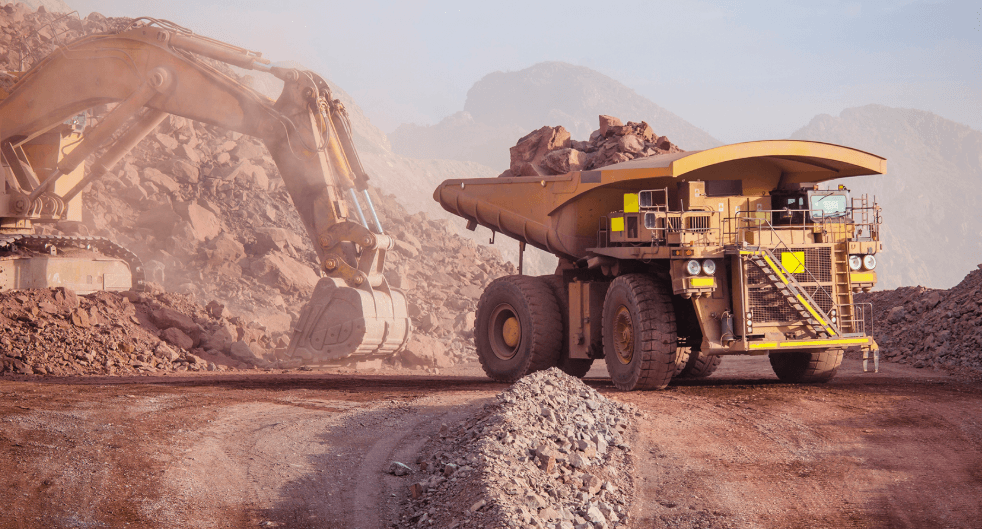
You’ll usually see two main mine styles: open-pit for near-surface, large, low-grade deposits, and underground for deeper or higher-grade bodies. Open-pit operations use drilling, blasting, hauling, and benching to expose ore. Underground methods include block caving, cut-and-fill, and room-and-pillar depending on rock mechanics and orebody geometry.
Once mined, ore undergoes comminution (crushing and grinding) and concentration—most commonly froth flotation—to produce a copper concentrate containing chalcopyrite, bornite, or chalcocite. Smelting and refining follow for sulfide concentrates, producing blister copper and then cathode copper via electrorefining. For oxide ores or low-grade material, heap leaching with sulfuric acid and SX-EW yields cathode copper without smelting.
You must also manage tailings, water balance, and emissions. Modern plants integrate process control, energy optimization, and, increasingly, carbon-reduction strategies to improve efficiency and regulatory compliance.
See also: Advantages and Disadvantages of Technology
Environmental and Economic Impact
This section shows the main environmental risks from copper production and the economic benefits and trade-offs you should weigh when assessing mines. It highlights specific pollutants, mitigation options, regulatory levers, and how copper supports industries and jobs.
Environmental Challenges and Solutions
Copper mining often disturbs large land areas through open pits and waste rock dumps. You should expect habitat loss, soil erosion, and changes to local hydrology where deposits are developed.
Water contamination is a primary risk: acid mine drainage and dissolved heavy metals (copper, arsenic, lead) can enter rivers and aquifers. Manage this with engineered water covers, reactive barriers, and continuous water quality monitoring to limit downstream impacts.
Air emissions include particulates and sulfur dioxide from smelting. You can reduce these via enclosed processing, high-efficiency scrubbers, and converting smelters to flash or flash-converting technologies that lower SO2 release.
Tailings storage poses long-term hazards. You should evaluate tailings thickening, dry stacking, and filtered-tailings systems to reduce seepage and catastrophic dam failure risk. Progressive reclamation and biodiversity offsets help restore landscapes during and after operations.
Implementing life cycle assessment (LCA) and on-site renewable energy can cut greenhouse gas intensity. You should prioritize ore-sorting, higher recovery rates, and hydrometallurgical methods where they reduce emissions and hazardous waste relative to traditional routes.
Regulations and Sustainable Practices
You must navigate national mining codes, water quality standards, and international frameworks like the ICMM guidelines. Compliance requires environmental impact assessments (EIAs), baseline studies, and public consultation before permits are issued.
Permit conditions commonly include specific limits for effluent metals, mandatory monitoring frequencies, and closure bonds. You should track these metrics transparently and publish monitoring data to maintain social license to operate.
Economic instruments—environmental bonds, pollution fines, and incentives for low-carbon technology—shape operator behavior. You can also use certification programs and supplier due diligence to promote responsible sourcing in your supply chain.
Community engagement is central: benefit-sharing agreements, local hiring quotas, and grievance mechanisms reduce conflict. You should require independent audits and contingency planning as part of standard permitting.
Economic Importance of Copper Mining
Copper underpins electrification, telecommunications, and renewable energy systems you rely on. One modern wind farm or electric vehicle uses significantly more copper than older technologies, increasing demand for reliable supply.
Mining provides direct employment, local procurement, and royalties that fund public services in producing regions. You should weigh these benefits against environmental costs when evaluating projects.
Global supply concentration matters: large reserves in Chile, Peru, and Zambia influence prices and investment risk. You can mitigate supply risk through recycling, urban mining, and diversified sourcing to stabilize industries that depend on copper.
Investments in cleaner processing often raise upfront costs but lower long-term liabilities and operational risk. You should assess capital expenditure versus reduced remediation costs and improved market access for responsibly produced copper.