Introduction
A well-designed outdoor space can become one of the most valuable areas of a home. Whether it’s used for entertaining guests, relaxing after work, spending time with family, or enjoying a favorite hobby, the backyard has the potential to function as an extension of indoor living space. However, many homeowners invest time and money into outdoor areas only to find that they rarely use them.
The difference between a backyard that sits empty and one that becomes a regular gathering place often comes down to thoughtful design. Creating an outdoor space that encourages frequent use requires more than attractive landscaping. It involves understanding how the space will be used, prioritizing comfort, and incorporating features that align with everyday lifestyles. With the right approach, any outdoor area can become a destination that family members look forward to enjoying throughout the year.
Start with How You Actually Live
One of the most common mistakes in outdoor design is focusing on appearance before functionality. While beautiful landscapes certainly add value, the most successful outdoor spaces are designed around real-world activities and preferences.
Before making changes, consider how the space will be used most often. Some homeowners enjoy hosting gatherings and may benefit from ample seating and dining areas. Others prefer quiet mornings with a cup of coffee and a comfortable chair. Families with children may prioritize open play areas, while gardening enthusiasts may prefer raised beds and planting spaces.
Design decisions become much easier when guided by specific goals. Rather than trying to incorporate every popular backyard trend, focus on features that support daily activities. The result is a more practical and inviting space that naturally encourages regular use.
A backyard that reflects personal interests and routines is far more likely to become part of everyday life.
See also: Advantages and Disadvantages of Technology
Create Comfortable Gathering Areas
Comfort is one of the biggest factors influencing how often an outdoor space gets used. If seating is uncomfortable, shade is limited, or the environment feels uninviting, people are unlikely to spend much time outdoors.
Investing in quality seating can make a significant difference. Outdoor sofas, cushioned chairs, and dining sets help create spaces where people want to linger. Positioning furniture in conversational arrangements encourages social interaction and creates a welcoming atmosphere.
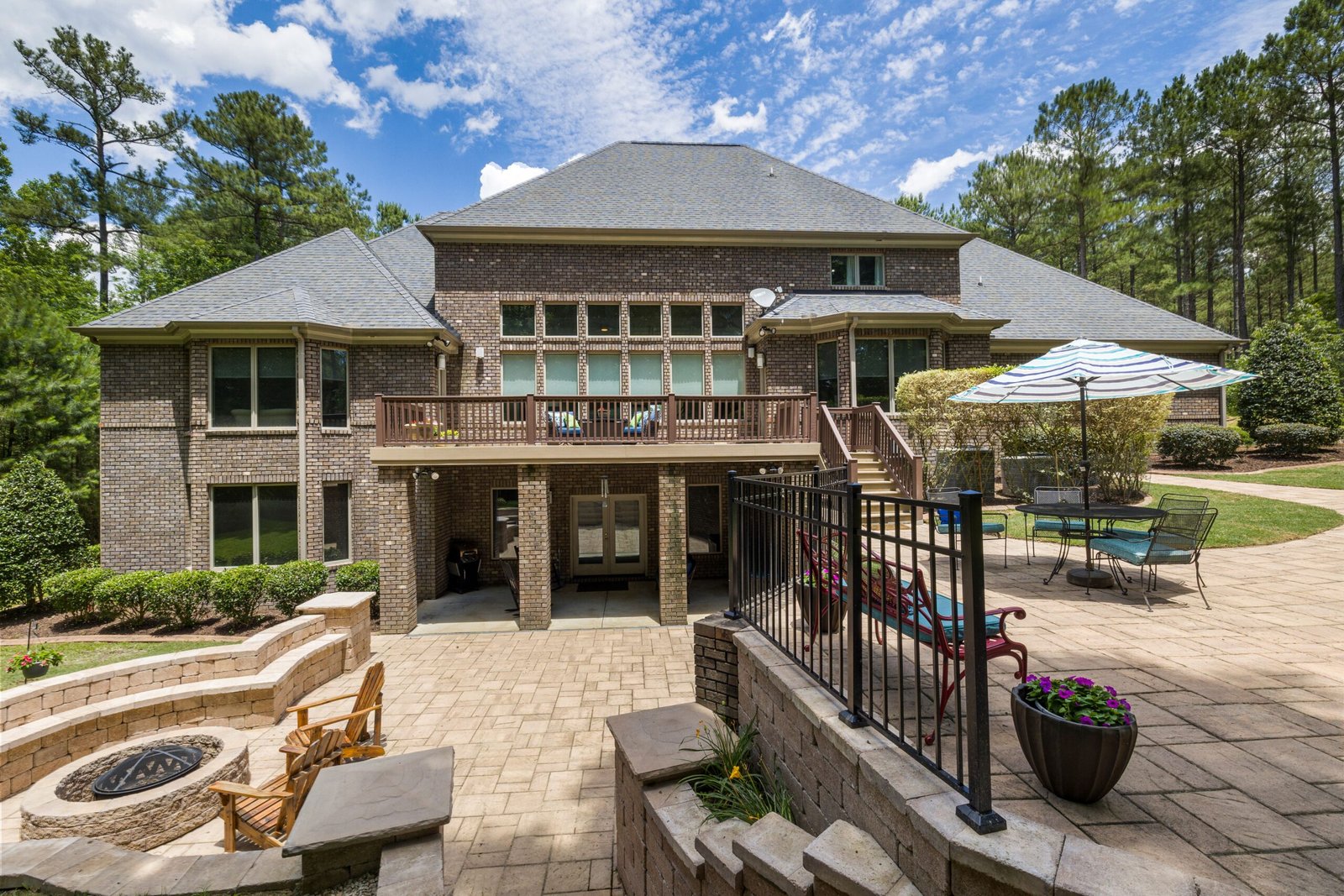
Shade is equally important. Pergolas, umbrellas, covered patios, and strategically planted trees can make outdoor areas substantially more enjoyable during warmer months. In cooler seasons, additions such as fire pits or outdoor heaters can help extend usability.
By focusing on comfort first, homeowners create an environment that supports relaxation and encourages people to use the space regularly rather than only on special occasions.
Balance Beauty with Low Maintenance
Many outdoor spaces become underutilized because they require too much work to maintain. While lush landscaping can be beautiful, excessive maintenance demands can quickly turn an enjoyable backyard into a source of frustration.
Choosing plants that are well-suited to local conditions can reduce watering, pruning, and replacement needs. Native plants, drought-tolerant varieties, and perennial flowers often provide long-term beauty with less effort.
Ground coverings can also play a role in reducing maintenance requirements. Some homeowners seeking a cleaner and more usable lawn area choose a comfortable artificial turf installation in the Bay Area as part of their landscape plan. This approach can help minimize mowing and watering while providing a durable surface for recreation and relaxation.
The goal is to create a landscape that remains attractive without requiring constant attention. When maintenance demands are manageable, homeowners are more likely to spend time enjoying their yards rather than working in them.
Incorporate Features That Encourage Activity
Outdoor spaces tend to see more use when they offer opportunities for engagement. Even simple additions can increase the appeal and functionality of a backyard.
For example, a fire pit can create a natural gathering place for conversations and evening relaxation. Outdoor kitchens or grilling stations encourage dining outside and make entertaining easier. Garden beds can provide enjoyment for those who like growing flowers, vegetables, or herbs.
Families may benefit from features such as lawn games, play areas, or open spaces for recreational activities. Even a simple walking path can encourage movement while adding visual interest to the landscape.
The most effective features are those that align with the interests of the people who live there. By creating reasons to spend time outdoors, homeowners naturally increase how often the space is used.
Thoughtful additions help transform a backyard from a decorative area into a functional living environment.
Improve Ambiance and Accessibility
The atmosphere of an outdoor space can significantly influence its appeal. Small improvements in lighting, accessibility, and overall design often have a greater impact than expensive renovations.
Outdoor lighting is particularly valuable because it extends the usability of the backyard beyond daylight hours. String lights, pathway lights, and accent lighting create warmth while improving safety. A well-lit backyard feels inviting and can become a favorite gathering spot during the evening.
Clear walkways and easy access between indoor and outdoor areas also encourage frequent use. When stepping outside feels effortless, people are more likely to take advantage of the space throughout the day.
Adding decorative touches such as planters, outdoor artwork, and seasonal accents can further enhance the atmosphere. These elements help create a personalized setting that feels like a natural extension of the home.
When comfort, convenience, and visual appeal come together, outdoor spaces become places people genuinely enjoy spending time in.
Conclusion
Designing an outdoor space you’ll use frequently starts with understanding how you want to live and relax outside. By prioritizing functionality, comfort, manageable maintenance, engaging features, and a welcoming atmosphere, homeowners can create backyards that serve as true extensions of their homes. The most successful outdoor spaces are not necessarily the largest or most expensive. Instead, they are thoughtfully designed around the needs and preferences of the people who use them. With careful planning and intentional design choices, an outdoor area can become a favorite destination for relaxation, entertainment, and everyday enjoyment throughout the year.