If you want an EV charger installed at home or work, you can find qualified local electricians and installers who handle permits, wiring upgrades, and rebate applications so your charger works safely and cost-effectively. You’ll get the fastest, most reliable results by choosing a licensed installer who understands local codes and available incentives.
This article Ev Charger Installation Near Me walks through how to locate nearby installers, compare quotes, and prepare your site so the installation goes smoothly. Expect practical steps on permits, rebates, and what to ask installers to ensure a clean, code-compliant setup that fits your driving needs.
EV Charger Installation Near Me Overview
You’ll find three practical areas to focus on: the charger types that match your vehicle and daily range, how to pick a licensed installer who meets local code, and the real cost components that affect your final price.
Types of EV Chargers Available
Level 1 chargers use a standard 120V household outlet and provide about 3–5 miles of range per hour. They work if you drive short distances and have long overnight parking, but they’re slow for most daily needs.
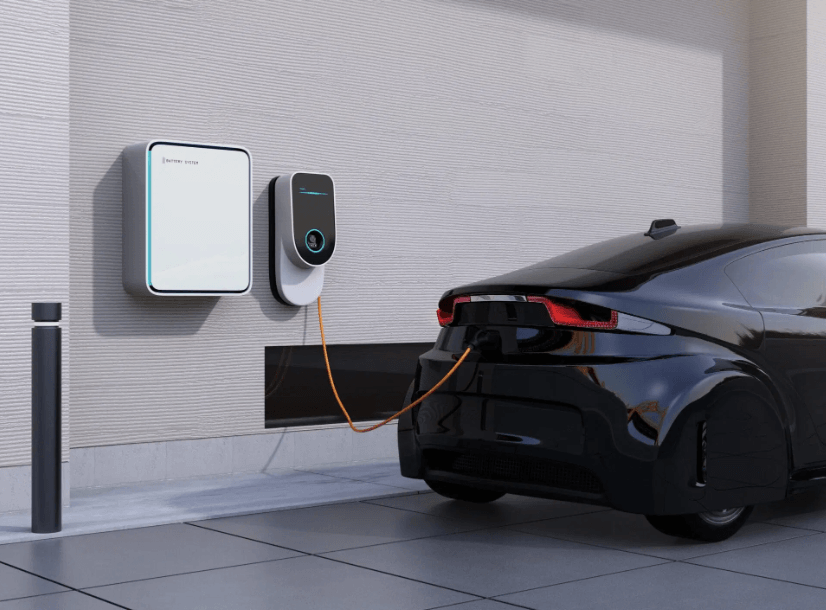
Level 2 chargers run on 240V and typically deliver 12–60 miles of range per hour depending on your EV and the charger’s amperage. They require a dedicated circuit and are the most common residential choice for faster home charging.
DC fast chargers (Level 3) deliver rapid charging at commercial locations and require high-voltage infrastructure and specialized equipment. You rarely install these at home due to cost and power requirements. When choosing, match the charger’s connector and maximum kW to your vehicle’s onboard charger for optimal charge speed.
How to Choose a Qualified Installer
Look for a licensed electrician with specific EV charger installation experience and proof of local electrician or contractor license. Request references or recent project photos, and check online reviews and ratings on platforms like Google Maps or Angi to confirm reliability.
Confirm the installer understands local permitting and utility interconnection rules, and can handle panel upgrades, ground-fault protection, and conduit runs. Ask whether they offer manufacturer-certified installation and a written warranty for labor. Get at least three written bids that list equipment, wiring, labor hours, permit fees, and post-install testing.
Understanding Installation Costs
Installation costs break down into equipment, labor, permitting, and any electrical upgrades. A basic Level 2 plug-in charger unit typically costs less than a hardwired unit; expect higher labor for hardwiring and longer conduit runs.
Panel upgrades, new circuits, or a service increase add significant cost; a simple run to an existing panel may be inexpensive, while upgrading to 200A service or adding a subpanel can be several hundred to a few thousand dollars. Ask for an itemized estimate; include permit fees, meter or utility notification charges, and any required inspections. Compare quotes by scope, not just bottom-line price, and confirm whether the installer will apply for available local or federal EV charging rebates on your behalf.
See also: AI Customs Automation for Ecommerce Businesses: Streamlining Cross-Border Compliance and Shipping
Getting Started With Local EV Charger Installation
You’ll need to confirm your home electrical capacity, follow local permit and safety rules, and check available incentives before contacting an installer. These steps cut surprises, control cost, and keep the installation code-compliant.
Assessing Home Electrical Requirements
Begin by locating your main electrical panel and noting the service size in amps (commonly 100A, 150A, or 200A). Check the panel’s label or your utility bill; installers will need this number to size the charger and any panel upgrades.
Determine available breaker space and whether you have a dedicated 240V circuit run to the intended charging location. Level 2 chargers typically require 30–50 amps at 240V, so a dedicated circuit and appropriate wire gauge are essential.
Hire a licensed electrician for a load calculation (NEC or local code-based). They’ll account for continuous load rules, other large appliances, and the potential need for a service upgrade or subpanel. Get a written quote that itemizes labor, parts, conduit runs, and any meter or service changes.
Permitting and Safety Guidelines
Contact your municipal building department or use the city’s online portal to check permit requirements; many jurisdictions require electrical and inspection permits for EV charger installation. Permit fees and review times vary, so include permit cost and schedule in your planning.
Ensure the electrician pulls permits and schedules the final inspection. Inspections confirm proper breaker sizing, grounding, GFCI/CAF protection where required, and correct conduit and cable installation.
Follow site-specific safety provisions: keep the charger away from standing water, maintain required clearances, and install weatherproof enclosures for outdoor units. Ask the electrician for manufacturer-recommended torque values, surge protection options, and labeling for the panel and meter to aid future service work.
Incentives and Rebates for Installation
Search federal, state/provincial, and local utility programs for rebates or tax credits that reduce upfront cost. Programs may cover part of the charger equipment, installation labor, or a portion of a required electrical upgrade.
Use official program sites and your utility’s rebate finder to verify eligibility, caps, and required documentation. Many rebates require a certified installer, pre-approval, or submission of receipts and photos within a specific window.
Track paperwork: save invoices, permit numbers, and inspection reports needed for rebate claims. If you plan to apply for federal tax credits, consult a tax professional to confirm how installation expenses qualify and to ensure you claim credits correctly.