Looking for gas fireplaces near you? You can find local dealers and installers who offer a range of styles, sizes, and fuel options—so you’ll quickly match a model to your space and budget. Start by narrowing choices to nearby showrooms and certified installers to compare real displays, pricing, and service options before you buy.
You’ll learn how to select the right gas fireplace for heat output, venting type, and aesthetics, and what to expect during installation and ongoing maintenance to keep your unit safe and efficient. This article Gas Fireplaces Near Me walks you through practical steps to evaluate models, find trusted local installers, and plan installation and upkeep with confidence.
Selecting the Right Gas Fireplace
Choose a unit that fits your room size, installation limits, and style preferences. Prioritize fuel type, venting requirements, and certified efficiency ratings to match your heating needs and local codes.
Types of Gas Fireplaces
You can pick between three common types: vented, direct-vent, and vent-free.
- Vented (natural/vented): uses a traditional chimney or flue. It offers a realistic flame and exhausts combustion gases outdoors, but it loses more heat up the chimney.
- Direct-vent: sealed combustion draws outside air and expels exhaust outside through a co-axial pipe. It provides better efficiency and is safer for airtight homes.
- Vent-free (ventless): burns very cleanly and supplies the most room heat because no exhaust is vented. Many jurisdictions restrict or ban them; check local codes and indoor air quality concerns.
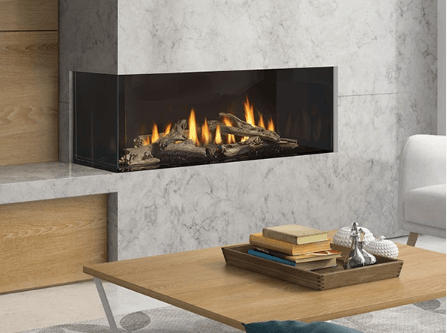
Consider installation constraints: existing chimney, wall placement, and whether you need a freestanding stove, insert, or built-in unit. Match the visual style—traditional logs, ceramic ember beds, or modern linear burners—to your décor and viewing preferences.
Sizing and Efficiency Considerations
Measure the room’s square footage and ceiling height to calculate required BTUs. Aim for a unit with adjustable output so you can reduce fuel use on mild days.
Check the AFUE or thermal efficiency rating for predictable heat performance. Direct-vent units commonly reach higher delivered heat percentages than vented models. If you plan to heat multiple rooms, consider a unit with fan-forced distribution or use zone heating strategies.
Factor in installation costs: venting type affects labor and materials, and conversion between natural gas and propane requires certified adjustments. Confirm the fireplace’s certified listings (e.g., ANSI, CSA) and local permitting requirements before purchase.
See also: Fast Business Loan Guide: Quick Approval Strategies for Small Companies
Installation and Maintenance
You need reliable installation, correct venting, and scheduled servicing to keep a gas fireplace safe and efficient. Regular cleaning, annual inspections, and following manufacturer requirements protect warranties and reduce carbon monoxide and fire risks.
Professional vs. DIY Installation
You should hire a licensed gas technician for new installations, conversions, or any work involving gas lines and venting. Professionals will size the unit to your room, verify gas pressure, install proper venting or direct-vent systems, and obtain any required permits and safety certifications.
DIY installation may be acceptable only for simple plug-in or electric-replacement units, but attempting gas hookup, flue modifications, or combustion-air changes yourself increases risk of leaks, poor draft, and voided warranties.
When you hire someone, confirm they hold a gas license, liability insurance, and familiarity with local codes. Ask for written estimates that list labor, permitting, venting materials, and a post-installation combustion test. Keep documentation of the install and appliance model for warranty and future service.
Routine Cleaning and Inspection
Perform basic cleaning every 1–3 months: vacuum loose soot from the firebox, wipe glass with manufacturer-approved cleaner, and dust logs and louvers to maintain appearance and flame quality. Check pilot lights, igniters, and remote control batteries; replace as needed to prevent ignition failures.
Schedule a full service annually with a certified technician to inspect burners, gas valves, vent/chimney integrity, and perform a combustion analysis for CO and efficiency. Follow any manufacturer service intervals required to keep warranties valid. Keep a written checklist of services performed and any parts replaced to track maintenance history.