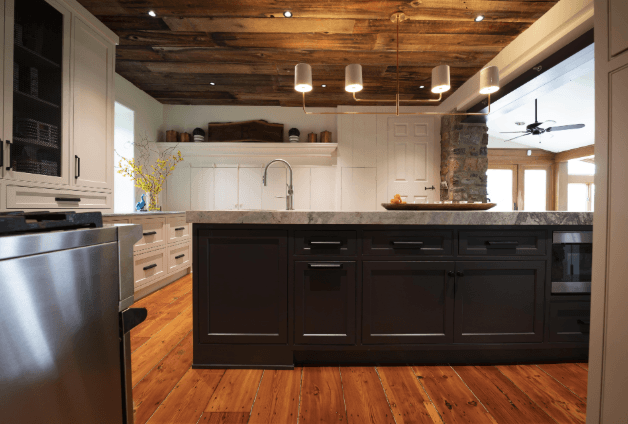
Looking for a kitchen remodel company near me means finding a team that matches your style, timeline, and budget. Start by prioritizing Kitchen Remodel companies with local experience, clear portfolios, and transparent quotes so you can compare timelines, costs, and past work before you commit.
You’ll want to understand essential considerations like layout changes, permitting, and design services, and you’ll benefit from asking about in-store consultations, measuring processes, and who handles work orders. This article will walk you through how to evaluate contractors, get accurate quotes, and choose pros who deliver on schedule and quality.
Essential Considerations for Renovating Your Kitchen
Focus on how you use the space, how much you can spend, realistic timing for each phase, and the credentials of the team who will do the work. Addressing these points early prevents costly mistakes and keeps the project on schedule.
Assessing Your Kitchen Needs
Start by documenting how you use your kitchen now and what frustrates you most. Note daily routines (meal prep time, number of cooks), storage pain points, and appliances you want to keep or replace. Measure existing counter heights, clearances, and traffic paths so designers can propose layouts that fit real life.
Prioritize functional goals: more prep space, a dedicated baking station, better pantry access, or ADA-friendly features. Rank these priorities to guide decisions when aesthetic choices conflict with function. Ask for a flow diagram or sketch from a designer to confirm the new layout supports your habits.
Setting a Realistic Budget
Decide on a target total budget first, then allocate percentages: typically 35–45% for cabinets, 10–15% for countertops, 10–15% for appliances, 5–10% for plumbing/electrical, and 10–15% contingency. Use that contingency for unexpected structural issues or permit-related changes.
Get at least three detailed bids that break out labor, materials, and subcontractor costs. Compare line-by-line rather than bottom-line price. Keep invoices and change orders organized; sign a contract that spells payment schedule, scope, and warranty terms before work begins.
Timeline Planning
Create a phased timeline: design and permitting (2–6 weeks), demolition (1–3 days), rough carpentry/plumbing/electrical (1–3 weeks), cabinet and countertop installation (1–2 weeks), finishes and inspections (1–2 weeks). Adjust for material lead times—custom cabinets and certain appliances can add 6–12 weeks.
Build buffer time into the schedule for permit delays, material backorders, and unforeseen repairs like joist or subfloor replacement. Confirm the contractor’s projected start and completion dates in writing and request weekly progress updates so you can plan meals and living arrangements.
Licensing and Credentials
Verify the contractor’s license type and status with your state or local licensing board. Confirm insurance: general liability and workers’ compensation. Ask for copies of certificates and note expiration dates.
Request a list of recent projects and at least three references you can contact. Check online reviews and photos for workmanship consistency. Insist on written warranties for labor and manufacturer warranties for products; include warranty terms in your contract.
See also: Creative DIY Home Decor on a Budget
Selecting the Right Professionals
You need contractors who demonstrate relevant experience, positive client feedback, and consistent use of durable materials. Focus on concrete evidence: past projects, verified reviews, and clear material specifications.
Evaluating Portfolio and Exrences and contact them about timelines, unexpected issues, and how closely the final cost matched the estimate. Verify licenses and insurance; if your project requires permits, confirm the contractor has experience obtaining them in your municipality. Prefer contractors who can show trade partnerships (cabinetmakers, tile setters, electricians) to reduce coordination gaps.
Client Reviews and Testimonials
Scan reviews on multiple platforms (Google, industry sites, and local listing services) and prioritize detailed accounts over star ratings alone. Look for comments about communication speed, cleanliness, adherence to schedule, and how the team handled change orders. Filter out isolated negative reviews but investigate repeated complaints about the same issue.
Ask the contractor for recent, local client contacts you can visit or call. During conversations, probe specifics: was the project completed on time, were allowances handled transparently, and how did the crew protect the home? Documented warranties and written post-completion support indicate confidence in their work.
Quality of Materials and Workmanship
Require a written materials list that names brands, model numbers, and finishes for cabinets, countertops, appliances, and fixtures. Compare samples in person to confirm color, edge detail, and assembly quality. Insist on installation standards—cabinet anchoring methods, countertop seam placement, and tile grout widths—to avoid cosmetic and functional issues later.
Confirm who performs specialty work and whether subcontractors are vetted and insured. Ask about on-site supervision frequency and final inspection procedures. Include warranty coverage in the contract: manufacturer warranties plus contractor workmanship guarantees with clear durations and scope.