Introduction
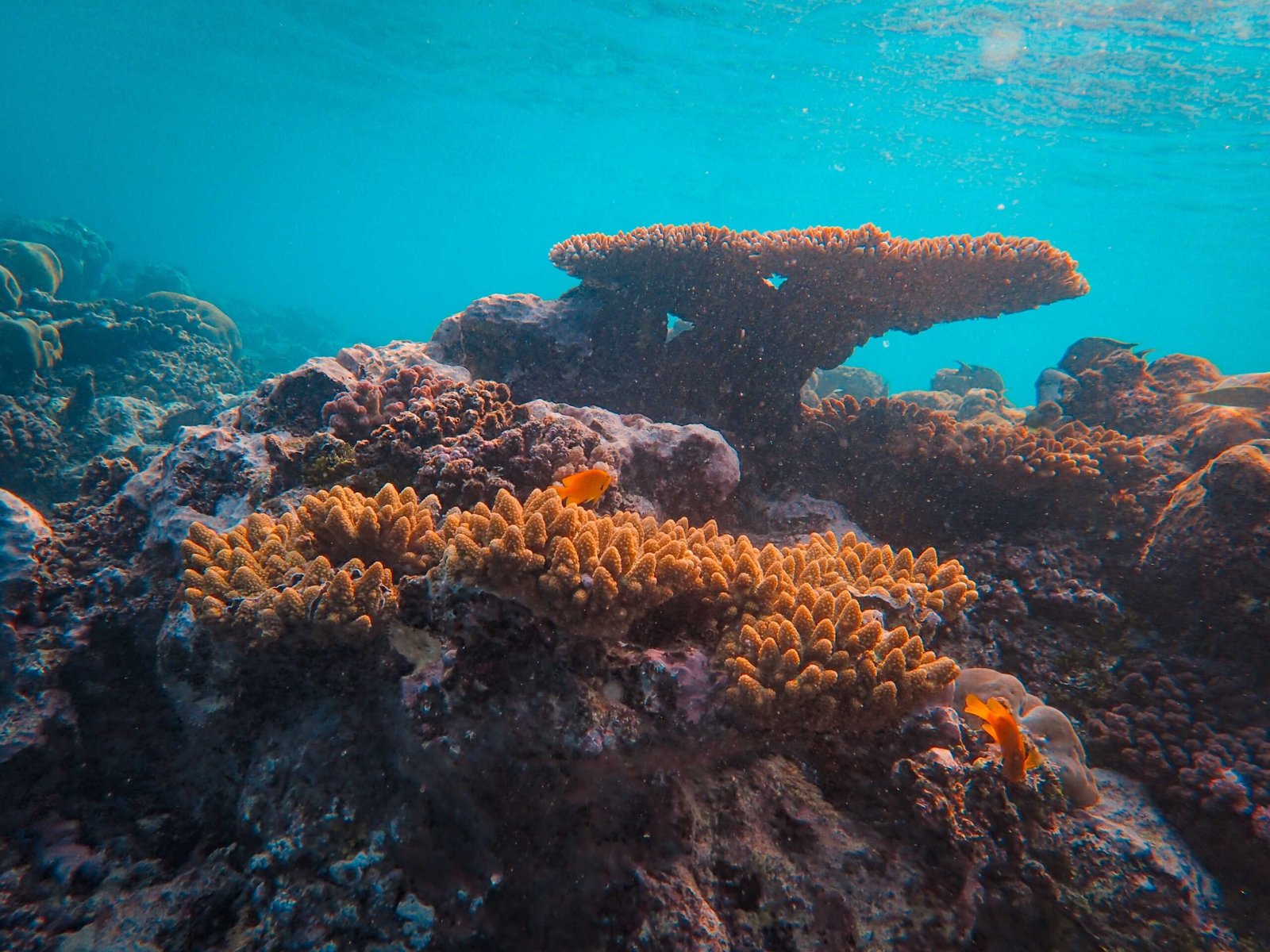
Coral reefs are often associated with tropical paradise, vibrant marine life, and some of the most visually stunning environments on the planet. While many people think of remote southern destinations when imagining coral ecosystems, the Northern Hemisphere is home to a diverse collection of equally breathtaking reefs. Stretching across the Caribbean, Pacific, and even parts of the Atlantic, these underwater landscapes showcase incredible biodiversity, colorful coral formations, and opportunities for exploration that appeal to both casual travelers and seasoned divers alike. Understanding where these reefs are and what makes them unique can inspire unforgettable experiences while also highlighting the importance of preserving these fragile ecosystems.
The Caribbean’s Colorful Underwater Worlds
The Caribbean Sea holds some of the most renowned coral reefs in the Northern Hemisphere. Known for warm waters and excellent visibility, this region is home to reef systems that support a wide range of marine life, including tropical fish, sea turtles, and vibrant coral species. Locations such as the Florida Keys, the Bahamas, and Puerto Rico stand out for their accessibility and natural beauty.
Puerto Rico, in particular, offers exceptional reef experiences. Along its surrounding islands, coral formations thrive in calm, clear waters, creating ideal conditions for snorkeling and diving. Visitors on a Vieques snorkeling tour often encounter shallow coral gardens teeming with life, offering a close-up view of everything from soft corals to schools of brightly colored fish. These accessible reef environments make the Caribbean a top destination for those looking to experience underwater beauty without extensive travel or specialized training.
Hawaii’s Volcanic Reef Systems
Moving further west, Hawaii presents a completely different type of coral reef environment. Unlike the Caribbean’s largely limestone-based formations, Hawaiian reefs are shaped by volcanic activity. This creates dramatic underwater landscapes where coral colonies grow along lava rock formations, adding a distinct visual contrast.
Hawaii’s reefs are particularly known for their endemic species, meaning many of the fish and marine organisms found there exist nowhere else on Earth. Snorkelers and divers often encounter species such as the humuhumunukunukuāpuaʻa, Hawaii’s state fish, along with green sea turtles that glide gracefully through the water. The islands’ commitment to conservation has also helped maintain the health of these reefs, ensuring they continue to thrive despite environmental pressures.
These reef systems are not only beautiful but also culturally significant. Native Hawaiian traditions emphasize respect for the ocean, reinforcing the importance of sustainable interaction with marine ecosystems. This combination of natural beauty and cultural awareness adds depth to any visit.
The Great Barrier Reef’s Northern Counterparts
While Australia’s Great Barrier Reef often dominates global conversations, the Northern Hemisphere features several reef systems that rival its beauty, even if they are smaller in scale. One notable example is the Mesoamerican Barrier Reef, which stretches along the coasts of Mexico, Belize, Guatemala, and Honduras. It is the second-largest coral reef system in the world and offers an impressive array of marine biodiversity.
Belize’s section of the reef is particularly famous for the Great Blue Hole, a massive underwater sinkhole that attracts divers from around the globe. Beyond this iconic site, the reef itself is filled with colorful coral formations and thriving marine habitats. The balance of shallow snorkeling areas and deeper dive sites makes the region appealing to a wide range of explorers.
This reef system also plays a crucial role in protecting coastlines from erosion and supporting local economies through tourism and fishing. Its significance extends beyond aesthetics, highlighting how coral reefs contribute to both environmental stability and human livelihoods.
The Canary Islands and Atlantic Reefs
Although less commonly discussed, the Atlantic Ocean hosts several unique coral environments in the Northern Hemisphere. The Canary Islands, located off the northwest coast of Africa, offer volcanic reef systems that blend tropical and temperate elements. While not as densely populated with coral as Caribbean reefs, these waters feature striking underwater rock formations, caves, and a mix of marine species.
Divers in the Canary Islands often encounter larger marine animals such as rays, barracudas, and even occasional sharks. The cooler water temperatures create a different ecosystem dynamic, supporting species that may not thrive in warmer regions. This diversity makes the area particularly appealing for those seeking a less conventional reef experience.
These Atlantic reefs demonstrate that beauty in marine environments is not limited to traditional coral-heavy systems. Instead, it often lies in the variety of landscapes and the organisms that inhabit them.
See also: How Lifestyle Priorities Shift Toward Well-Being and Enjoyment
Conservation and the Future of Coral Reefs
Despite their beauty and ecological importance, coral reefs across the Northern Hemisphere face significant challenges. Climate change, ocean acidification, and human activity all contribute to coral bleaching and habitat degradation. Rising sea temperatures, in particular, have caused widespread damage in recent years, threatening the long-term survival of these ecosystems.
Efforts to protect reefs are becoming increasingly important. Marine protected areas, sustainable tourism practices, and local conservation initiatives all play a role in preserving these underwater environments. Travelers can contribute by choosing eco-conscious tours, avoiding contact with coral, and supporting organizations dedicated to reef restoration.
Education also plays a key role. By understanding how reefs function and why they are vulnerable, visitors can make more informed decisions that help minimize their impact. Protecting these ecosystems ensures that future generations can experience the same natural beauty that continues to inspire awe today.
Conclusion
The Northern Hemisphere is home to an impressive range of coral reef systems, each offering its own unique blend of beauty, biodiversity, and cultural significance. From the vibrant waters of the Caribbean to the volcanic formations of Hawaii and the expansive Mesoamerican Barrier Reef, these underwater environments showcase the incredible diversity of marine life. As more people seek out these natural wonders, the responsibility to protect and preserve them becomes even more important, ensuring their survival for years to come.